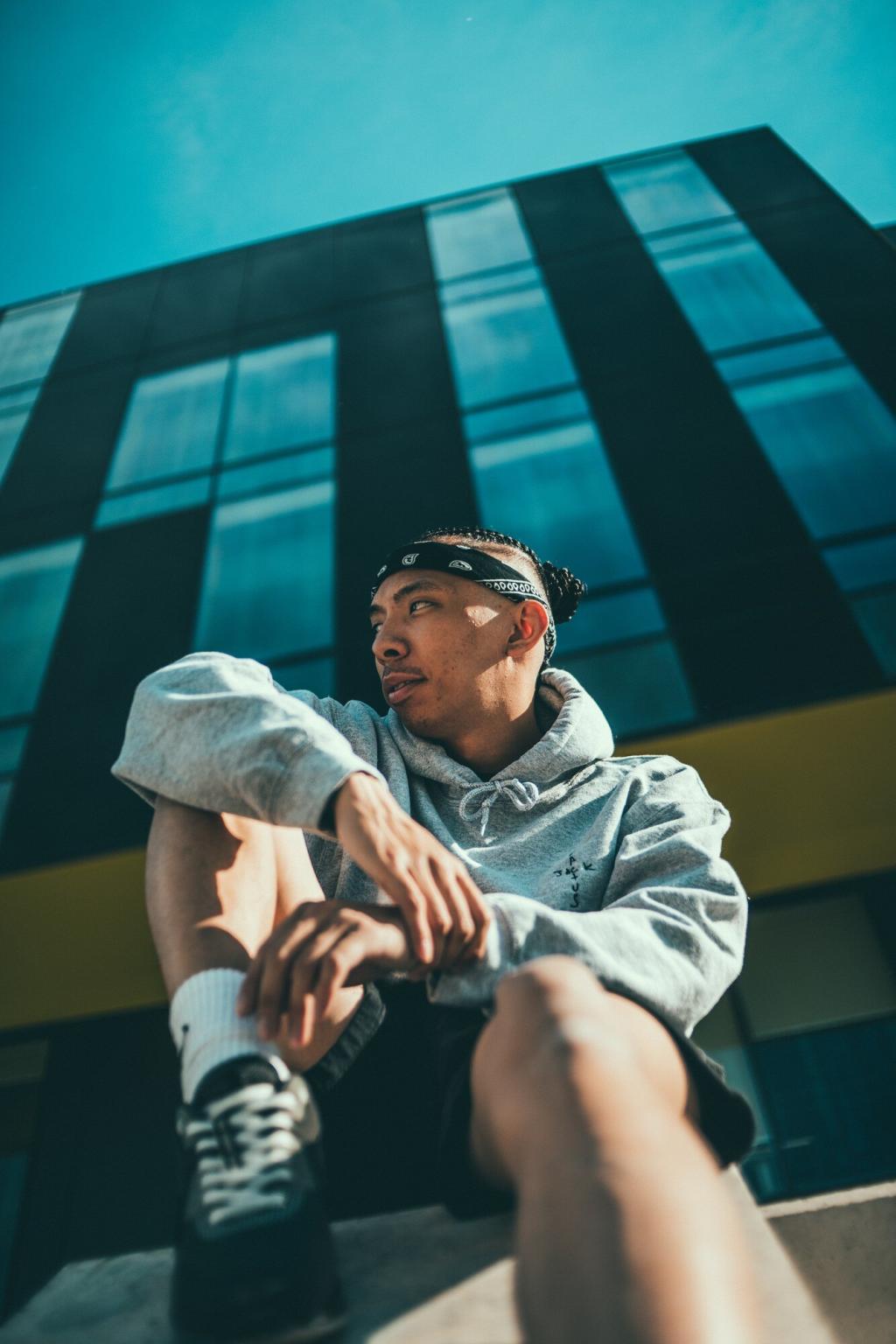
Chosen theme: Post-Processing Techniques for Urban Photography. Step into the glow of city lights, where thoughtful edits turn ordinary streets into unforgettable frames. From neon nights to misty mornings, let’s refine colors, tame contrast, and shape the story your urban images are already whispering. Subscribe and join the conversation—your next favorite technique might be one tip away.
Collect three to five reference images that match your target feeling—electric, moody, cinematic, or sunlit. Pinpoint their color balance, contrast shape, and texture handling, then translate those qualities into your own RAW edits. Share your references in the comments to inspire fellow city shooters.
Expose to protect highlights if neon signs dominate, bracket when skies threaten to clip, and lock white balance for consistent color grading later. Intentional capture makes post-processing faster and cleaner. Save our checklist and subscribe for a weekly, edit-first shooting plan tailored to urban scenes.
Calibrate your display to D65, use a consistent color space, and soft-proof for the platform where you’ll publish. Skipping calibration can push your shadows green or blow out delicate neon hues. Tell us your monitor setup and any color pitfalls you’ve faced in challenging city lighting.
Light and Contrast Mastery: Curves, Levels, and HDR Without the Crunch
Use parametric curves to fortify midtones while guarding highlight roll-off. Anchor blacks carefully so shadows feel deep but never muddy. Think in zones: guide the eye from street level texture to skyline glow. Comment with your favorite curve shapes for rainy alleyways or late-sunset rooftops.
Warm your highlights to echo sodium lamps and nudge shadows cooler to dramatize concrete and sky. The result suggests depth and cinematic tension without cartoonish saturation. Test small shifts first; even three to five points can reinvent a street. Share your preferred highlight-shadow color pairings with examples.
LUTs as seasoning, not the meal
Apply LUTs at low opacity and adjust with curves for context. Every street’s light mix is different; a one-click look rarely fits. Make a custom, scene-aware grade by rebalancing white point afterward. Subscribe for our quick-start guide on refining LUTs into nuanced, repeatable urban color recipes.
Selective color to control chaos
Use HSL to tame unruly reds from taillights and harmonize greens in storefront reflections. Target narrow ranges and feather transitions to avoid posterization. A restrained approach preserves authenticity while guiding attention. Post a before-and-after of your toughest neon correction for community feedback and fresh ideas.
Texture, Detail, and Noise: Sharpen Smart, Reduce Smarter
Sharpen by frequency, not habit
Choose radius for subject scale: small for fine brickwork, larger for structural edges. Combine capture sharpening with subtle local contrast for tactile detail. Avoid overdriving clarity on skin or fog. Share a crop of your trickiest texture and the exact settings that finally made it sing.
Choose profiles that support your narrative: muted palettes for quiet mornings, halation-friendly looks for neon evenings. Nudge grain size to match output resolution. I once softened highlights around a sign to echo a film vibe without fakery. Tell us which emulation best fits crowded weekend streets.
Atmosphere and glow, grounded in physics
Add diffusion along existing light paths, not randomly. Bloom should follow highlight intensity and direction. Slight local dehaze can reveal structure beneath foggy bridges while preserving mood. Experiment with layered brushes, then share your favorite glow recipe for tunnels, stations, and rain-lit alleys.
Rain, reflections, and puddle poetry
Enhance reflections by deepening midtones and lifting specular highlights, not by painting fake water. Use HSL to unify stray color tints across wet surfaces. A gentle vignette can cradle the scene. Drop a link to your best rain edit story—what decision saved the mood from turning surreal?
Workflow: From RAW to Publish Without Losing Momentum
Use virtual copies or snapshots to explore divergent looks—no fear, no forks lost. Name versions by mood so you can compare honestly. Build a review ritual before exporting. Subscribe for a printable checklist that turns chaotic catalogs into lean, creative launchpads for your next urban series.
Workflow: From RAW to Publish Without Losing Momentum
Create modular presets: base exposure fix, lens profile, color cast neutralizer, and mood-specific tonal tweaks. Stack intentionally instead of relying on a single magic preset. Iterate per neighborhood lighting. Share a preset snippet and your favorite slider trio for sunrise steel-and-glass canyons.